Address
1605, Tower C, Ratan
Pearls, Sector 16 B, Greater Noida
West, Gautam Buddh Nagar, UP- 201301
Green India Consultancy (GIC) delivers sustainable and inclusive solutions in environmental, ecological, geological, and social development to create lasting impact.
1605, Tower C, Ratan
Pearls, Sector 16 B, Greater Noida
West, Gautam Buddh Nagar, UP- 201301
greenindiacontactus@gmail.com
+91-9871737078
+91-8447590552

Client: FICCI Socio-Economic Development Foundation (FICCI SEDF), New Delhi
Project Coverage: 10 Districts across 5 States of India
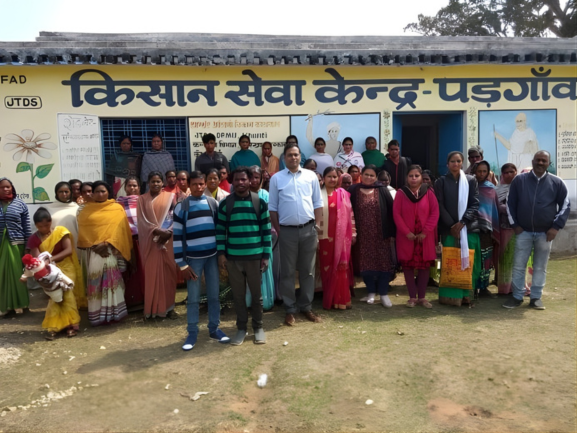
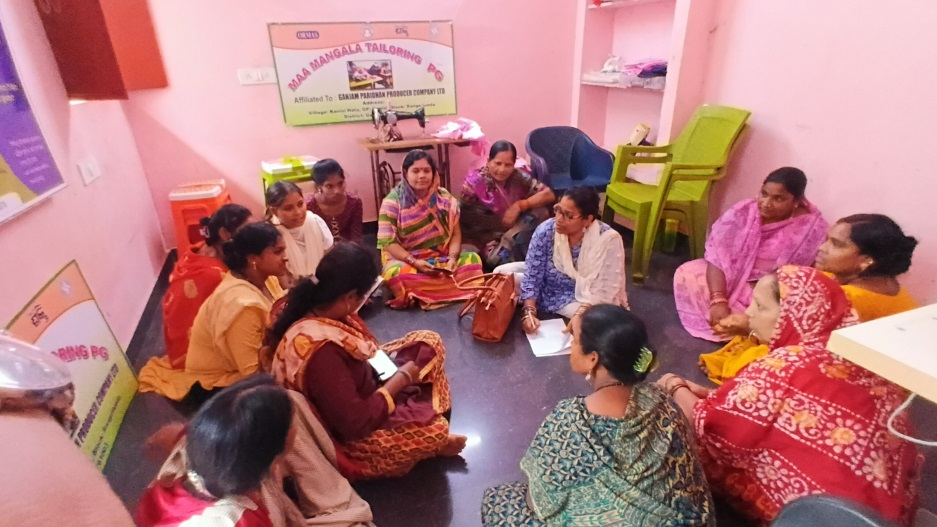
Green India Consultancy (GIC) conducted a comprehensive impact assessment of the Livelihood Enhancement Programme implemented by FICCI SEDF through its partner organizations during 2020–2025. The assessment evaluated the effectiveness, sustainability, and long-term socio-economic impact of diversified livelihood interventions implemented across rural communities.
The study adopted a mixed-methods approach, combining quantitative and qualitative research techniques. Primary data were collected using Computer-Assisted Personal Interviewing (CAPI)-based household surveys, Focus Group Discussions (FGDs), Key Informant Interviews (KIIs), and stakeholder consultations.
The assessment generated evidence on livelihood creation, income enhancement, enterprise sustainability, market linkages, adoption of improved livelihood practices, and community awareness. The GIC assessment team successfully reached some of the most remote rural regions across 10 districts in five Indian states, including:
Maharashtra: Wardha and Yavatmal
Odisha: Ganjam and Gajapati
Karnataka: Belagavi and Raichur
West Bengal: Jhargram
Jharkhand: Khunti and Lohardaga
Client: FICCI Aditya Birla CSR Centre for Excellence, New Delhi and Chambal Fertilizers and Chemical Ltd. Kota (CFCL), Rajasthan
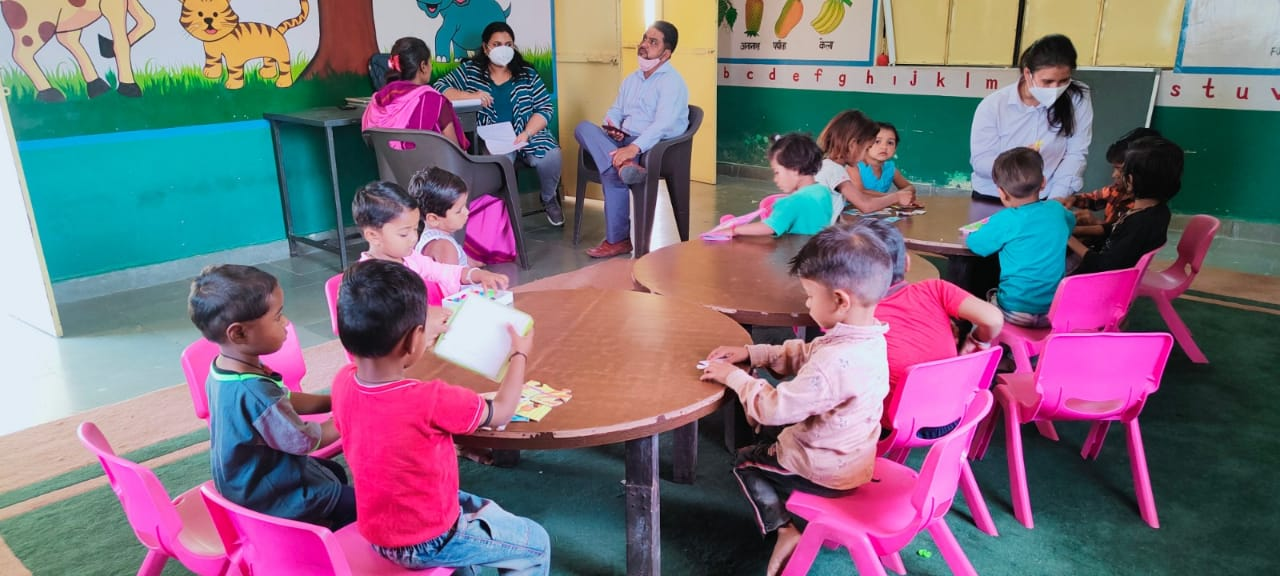
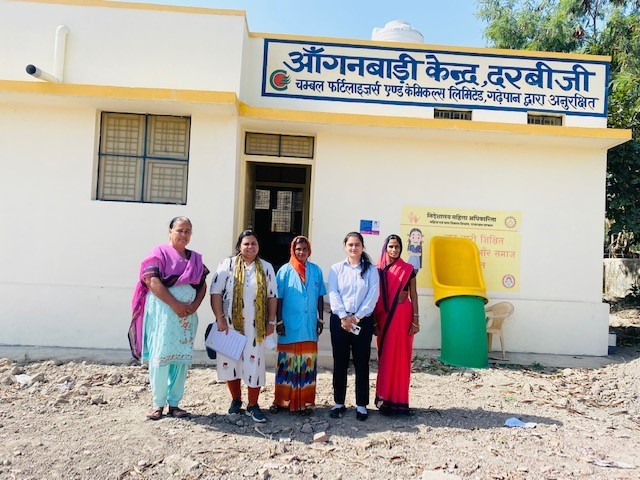
The impact assessment demonstrated that Chambal Fertilizers and Chemicals Limited (CFCL)'s CSR initiatives significantly enhanced the quality of education, healthcare, rural infrastructure, sustainable agriculture, and skill development across Kota and Baran districts of Rajasthan.
The study found notable improvements in school enrolment, digital learning, technical education, healthcare awareness, rural connectivity, and community participation.
The assessment also highlighted strengthened institutional partnerships and sustainable community assets that have contributed to long-term socio-economic development. Strategic recommendations were provided to further improve the effectiveness, scalability, and sustainability of CFCL's CSR interventions.
Client: FICCI SEDF, New Delhi
Green India Consultancy (GIC) conducted a baseline assessment for FICCI Socio-Economic Development Foundation (FICCI SEDF) to understand the livelihood status, challenges, and entrepreneurship potential of tribal communities in Khunti and Gumla districts of Jharkhand under the Tribal Entrepreneurship Development Programme.
The study was undertaken in alignment with the Government of India's Aatmanirbhar Bharat Abhiyan, focusing on promoting self-reliant and sustainable livelihood opportunities for tribal communities.
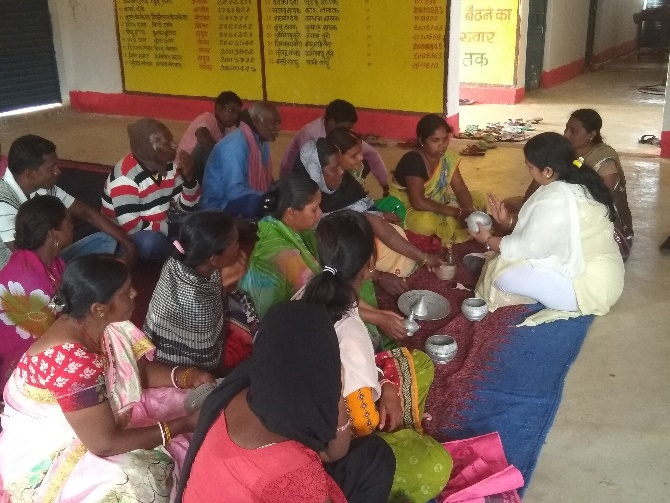
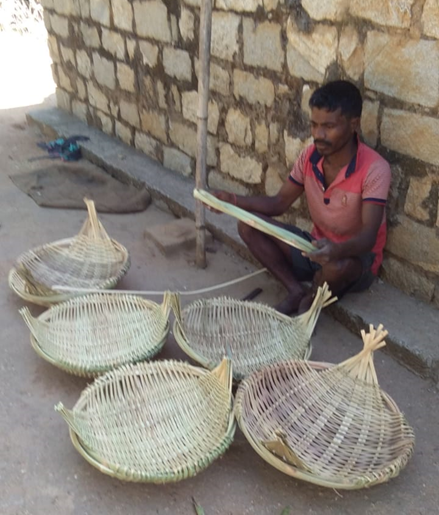
The assessment covered 100 tribal entrepreneurs through household surveys, Key Informant Interviews (KIIs) with Gram Panchayat representatives, and Focus Group Discussions (FGDs). The study analysed existing livelihood practices, forest-based livelihoods, traditional skills, handicrafts, market linkages, mandi systems, and challenges faced by tribal entrepreneurs.
The three-month study provided evidence-based recommendations to strengthen tribal entrepreneurship and sustainable livelihood development.
Client: FICCI SEDF, New Delhi and NUVOCO Pvt. Ltd, Rajasthan
Green India Consultancy (GIC) conducted a comprehensive Community Need Assessment around the Nimbol Cement Plant in Pali District, Rajasthan, to understand the socio-economic conditions, key development needs, and priorities of communities in the project area.
The assessment examined community needs across areas such as education, healthcare, livelihoods, water and sanitation, infrastructure, and other essential social services.
Primary data and stakeholder consultations were undertaken to identify gaps, community priorities, and opportunities for targeted CSR interventions. The assessment provided an evidence base for developing need-based and community-responsive CSR programmes for the surrounding villages.
Client: Aide Et Action, Gurugram
Green India Consultancy (GIC) conducted a baseline survey across five labour camps in Gurugram to assess the socio-economic conditions, living environment, and educational needs of migrant labour communities. The study particularly focused on children of migrant workers who lacked access to basic education facilities, early childhood learning opportunities, and supportive educational environments.
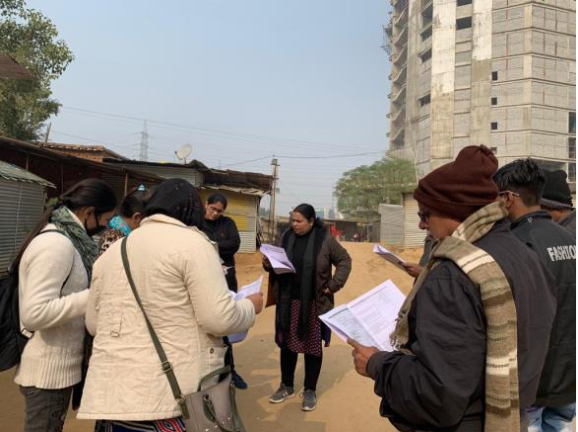
The assessment covered household profiles, access to education, healthcare, sanitation, livelihood conditions, and availability of essential services through primary surveys and community interactions.
The findings helped Aide et Action design targeted education interventions, including the establishment of community-based learning centres/Aanganwadis to provide foundational education and care support for children of labour communities.
Client: Uttar Pradesh State Government, Lucknow, Uttar Pradesh
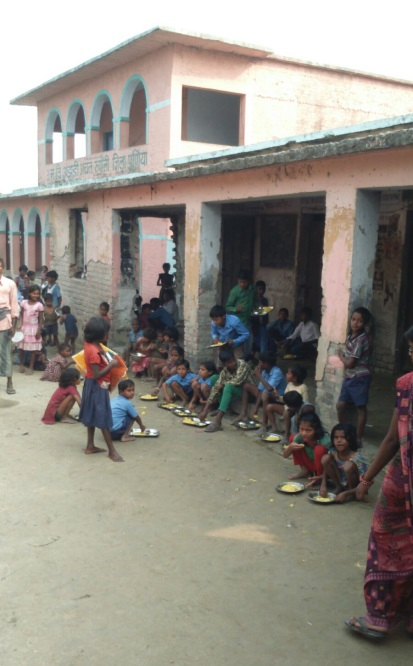
The baseline assessment evaluated the Mid-Day Meal Programme implemented in Zilla Parishad Schools across five districts of Uttar Pradesh to assess the effectiveness, quality, and operational aspects of the scheme.
The study assessed the availability and quality of meals, food safety and hygiene practices, kitchen infrastructure, supply chain mechanisms, student participation, and the overall implementation process at the school level.
The assessment involved field visits and interactions with school authorities, teachers, cooks, students, and other stakeholders to understand the challenges and gaps in programme delivery.
The study provided insights into the nutritional support provided to children, its contribution towards improving school attendance and retention, and recommendations for strengthening monitoring systems, quality standards, and efficient implementation of the Mid-Day Meal Programme.
Client: CMS and Plan India, New Delhi
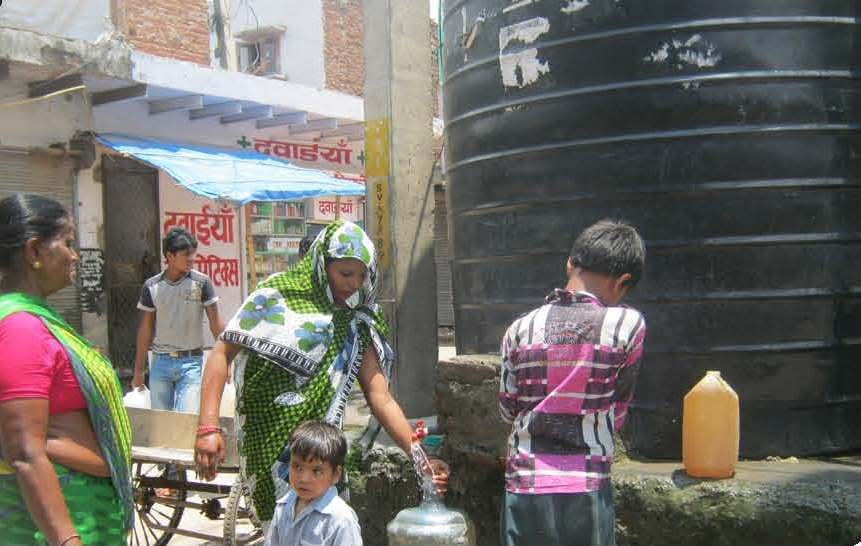
Green India Consultancy (GIC) conducted a comprehensive baseline assessment of drinking water facilities in slum settlements of Delhi to understand the socio-economic conditions, health vulnerabilities, and accessibility of safe drinking water among marginalized communities.
The study assessed household-level water availability, existing drinking water sources, sanitation conditions, hygiene practices, and challenges faced by residents in accessing safe and reliable water facilities.
As part of the assessment, GIC conducted scientific water quality testing of household drinking water samples and community water sources, including RO centres, community taps, and handpumps, through certified laboratories.
Water samples were collected following standard ISO sampling methods and analysed for 15 key parameters, including pH, turbidity, Total Dissolved Solids (TDS), Dissolved Oxygen (DO), Biochemical Oxygen Demand (BOD), and heavy metals, among other critical indicators.
The baseline study highlighted significant gaps in drinking water infrastructure and quality across slum areas, providing evidence-based insights for targeted interventions. Based on the findings, Plan India initiated measures to improve access to safe drinking water, including the installation of RO units to support households and communities with better-quality drinking water facilities.