Address
1605, Tower C, Ratan
Pearls, Sector 16 B, Greater Noida
West, Gautam Buddh Nagar, UP- 201301
Green India Consultancy (GIC) delivers sustainable and inclusive solutions in environmental, ecological, geological, and social development to create lasting impact.
1605, Tower C, Ratan
Pearls, Sector 16 B, Greater Noida
West, Gautam Buddh Nagar, UP- 201301
greenindiacontactus@gmail.com
+91-9871737078
+91-8447590552

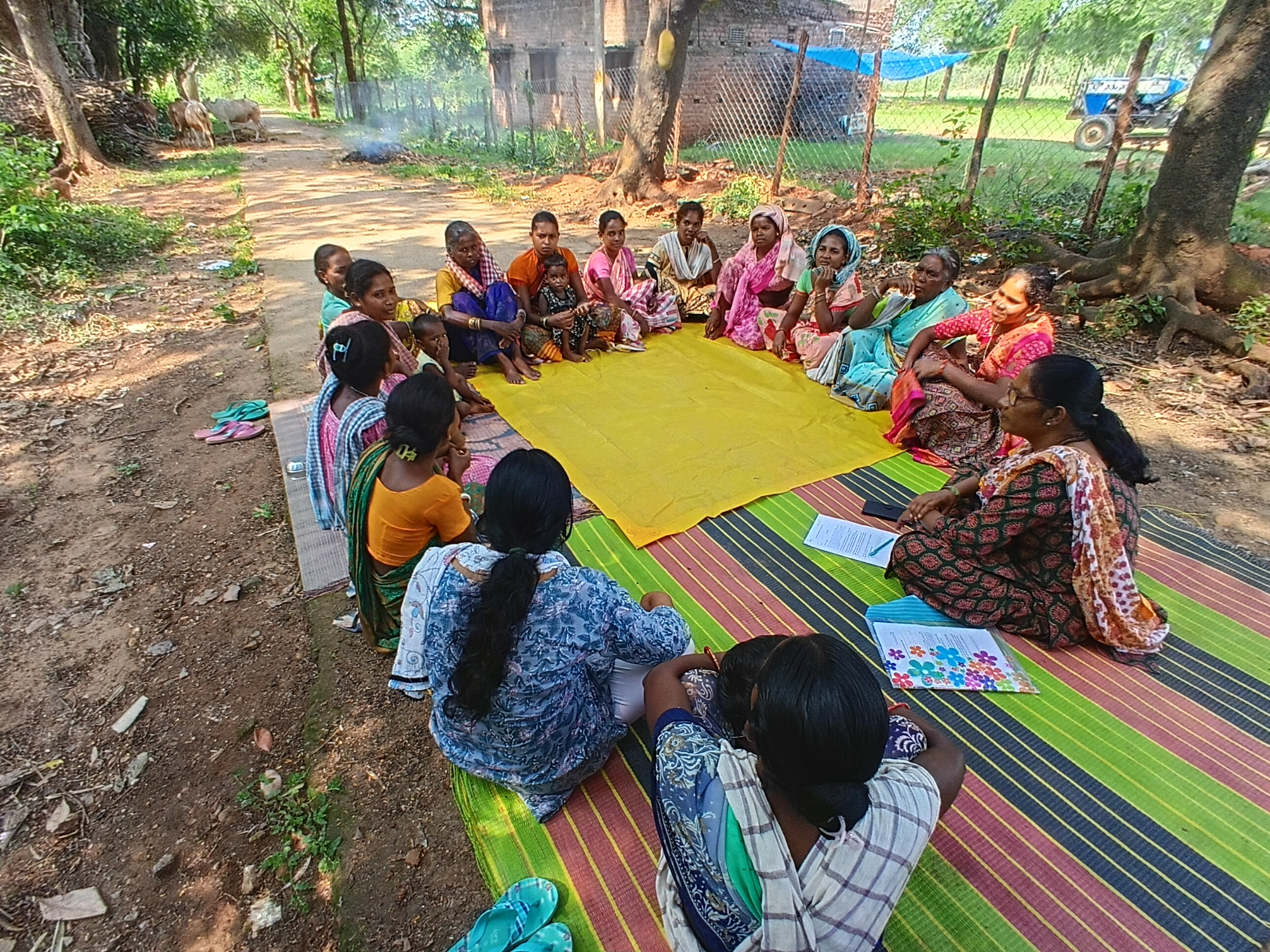
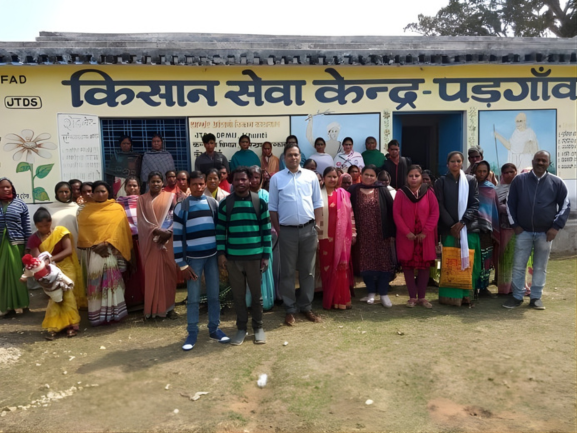
Empowering rural and marginalized populations, promoting gender equality, and improving health, sanitation, and education systems to build resilient and self-reliant communities.
GIC undertakes integrated sustainability studies addressing the unique developmental challenges of both urban and rural communities. Our approach focuses on inclusive growth by strengthening livelihoods, improving access to quality education and healthcare, promoting gender equality, and supporting sustainable community development. Through evidence-based research, surveys, impact assessments, and programme evaluations, we help governments, development agencies, and organizations design effective policies and interventions that create long-term social impact.
1. Rural Livelihood Enhancement and Skill Development
Conducts baseline, midline, endline, impact assessment and monitoring
surveys to evaluate rural livelihood, agriculture, entrepreneurship and
skill development programmes. Our studies generate evidence to measure
programme outcomes, identify implementation gaps and strengthen overall
programme effectiveness.
2. Women's Empowerment and Gender Equality
Undertakes research and evaluation studies on women's empowerment,
gender equality, financial inclusion, leadership development and
entrepreneurship initiatives. Our surveys assess programme reach,
participation, outcomes and long-term social impact.
3. Health, Nutrition and Community Well-being
Carries out surveys and assessments on public health, maternal and child
health, nutrition, sanitation, hygiene and community well-being
programmes. Our evidence-based evaluations support informed
decision-making and improved service delivery.
4. Education, Youth Development and Capacity Building
Conducts educational assessments, tracer studies and programme
evaluations on school education, digital learning, youth development and
vocational training initiatives to measure learning outcomes, skill
development and programme effectiveness.
5. Community Institutions, Social Inclusion and Sustainable Development
Undertakes socio-economic surveys, community needs assessments,
institutional assessments and impact evaluations focused on social
inclusion and sustainable development. Our research supports
evidence-based planning, policy formulation and inclusive community
development.
Urban Environmental Planning
Rural Sustainability Models
Sustainable Land Use and Habitat Studies
Climate Risk and Vulnerability Mapping
Policy and Governance Analysis
Integration with Sustainable Development Goals (SDGs)
GIC focuses on strengthening sustainable development practices by integrating environmental planning, responsible resource management, and climate resilience strategies. Our approach emphasizes balanced growth that supports both ecological preservation and community well-being in urban as well as rural regions.
Promoting sustainable infrastructure planning and efficient resource management in urban environments.
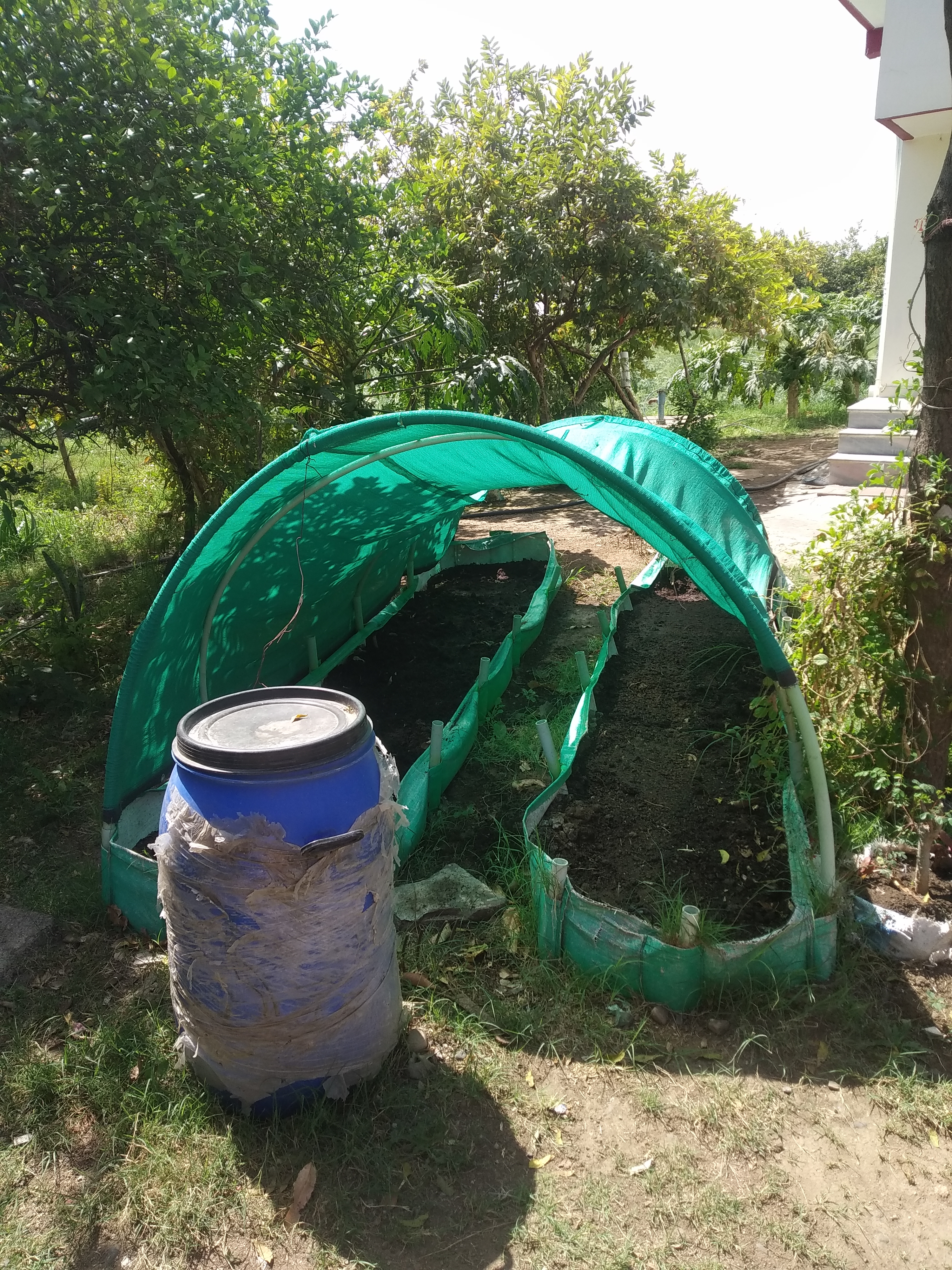
Encouraging community-led rural development models that improve livelihoods while maintaining ecological balance.